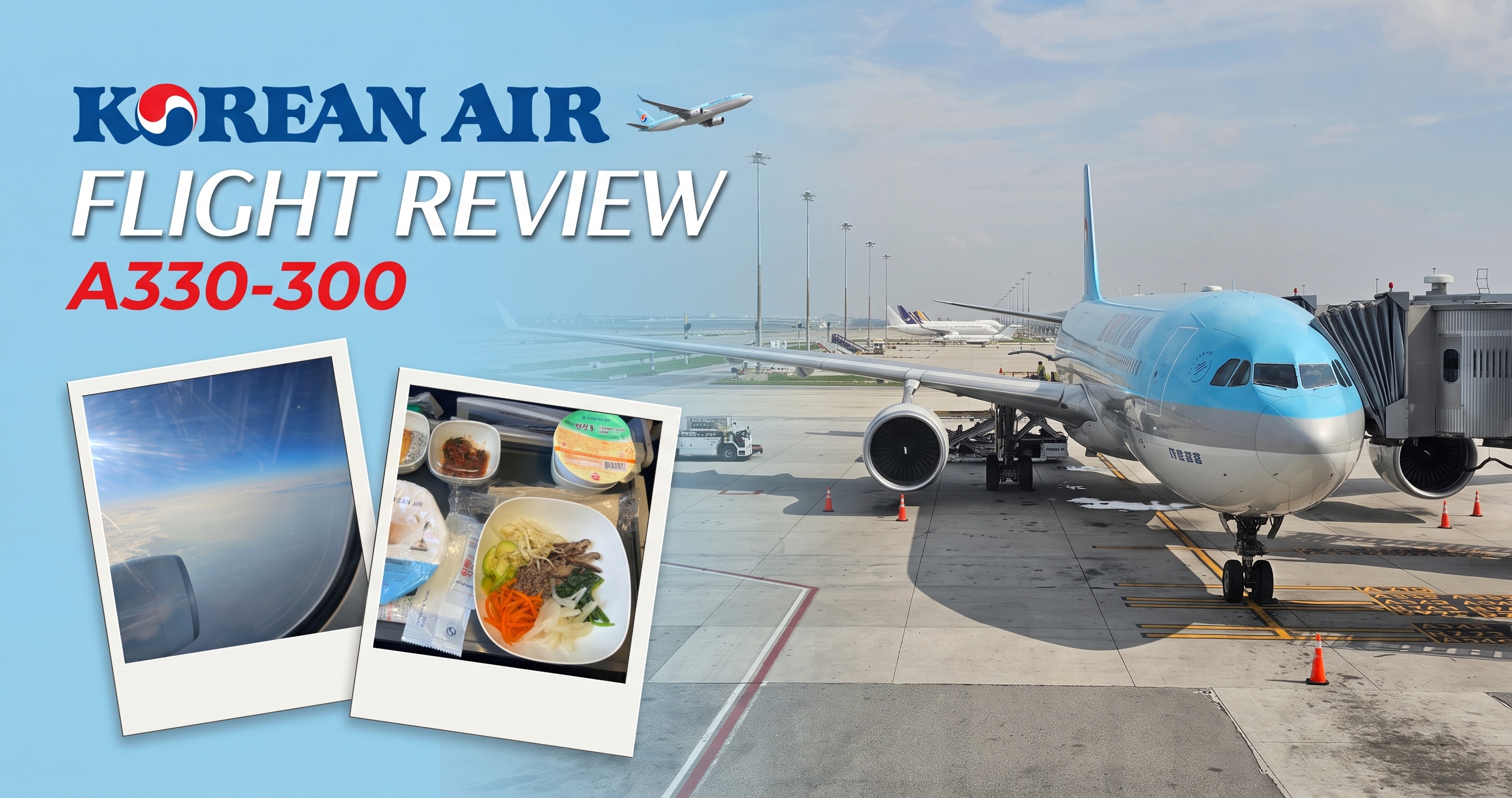
Hi! For this trip to South Korea, I flew Korean Air, the country’s flag carrier, on a daytime flight from Bangkok’s Suvarnabhumi Airport to Incheon. Here’s how the journey went aboard the Airbus A330-300.
Getting ready for the trip
At the time of my trip, Thai travelers visiting South Korea needed to apply for K-ETA (Korea Electronic Travel Authorization). It’s a travel authorization for visitors from visa-exempt countries, including Thailand, rather than a visa. You apply in advance through the official K-ETA website. Once approved, it’s valid for three years and can be used for multiple visits. Before each trip, though, you should update your address in South Korea so the information is accurate. Under the travel arrangement between Thailand and South Korea, Thai visitors can stay for up to 90 days after clearing immigration.
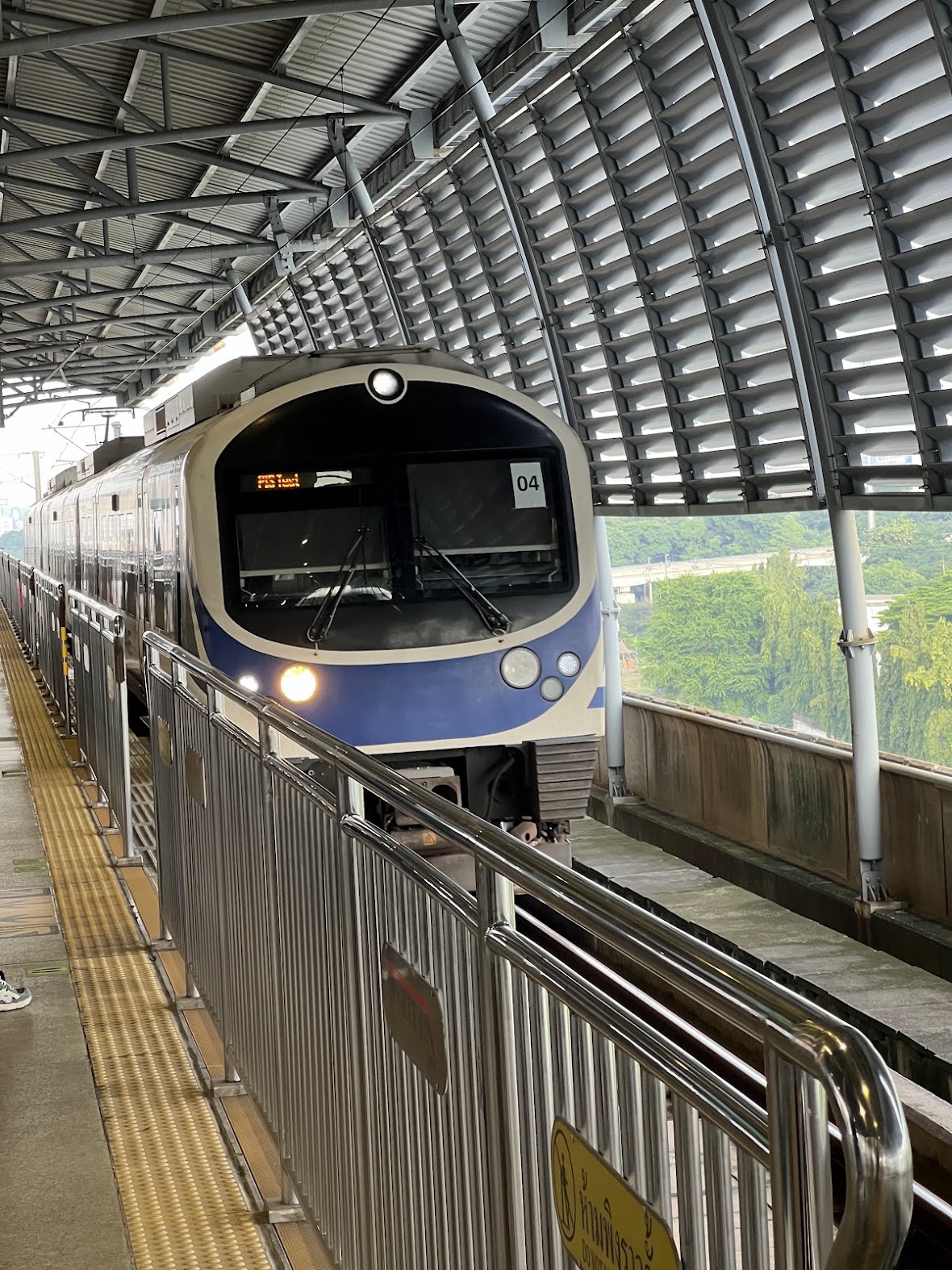
With my travel documents ready, I headed to Suvarnabhumi Airport on the Airport Rail Link. I boarded at Hua Mak and reached the airport in about 15 minutes for 30 baht. The Airport Rail Link now lets you tap in with an EMV credit or debit card, so there’s no need to buy a single-journey ticket. Very convenient.
The journey
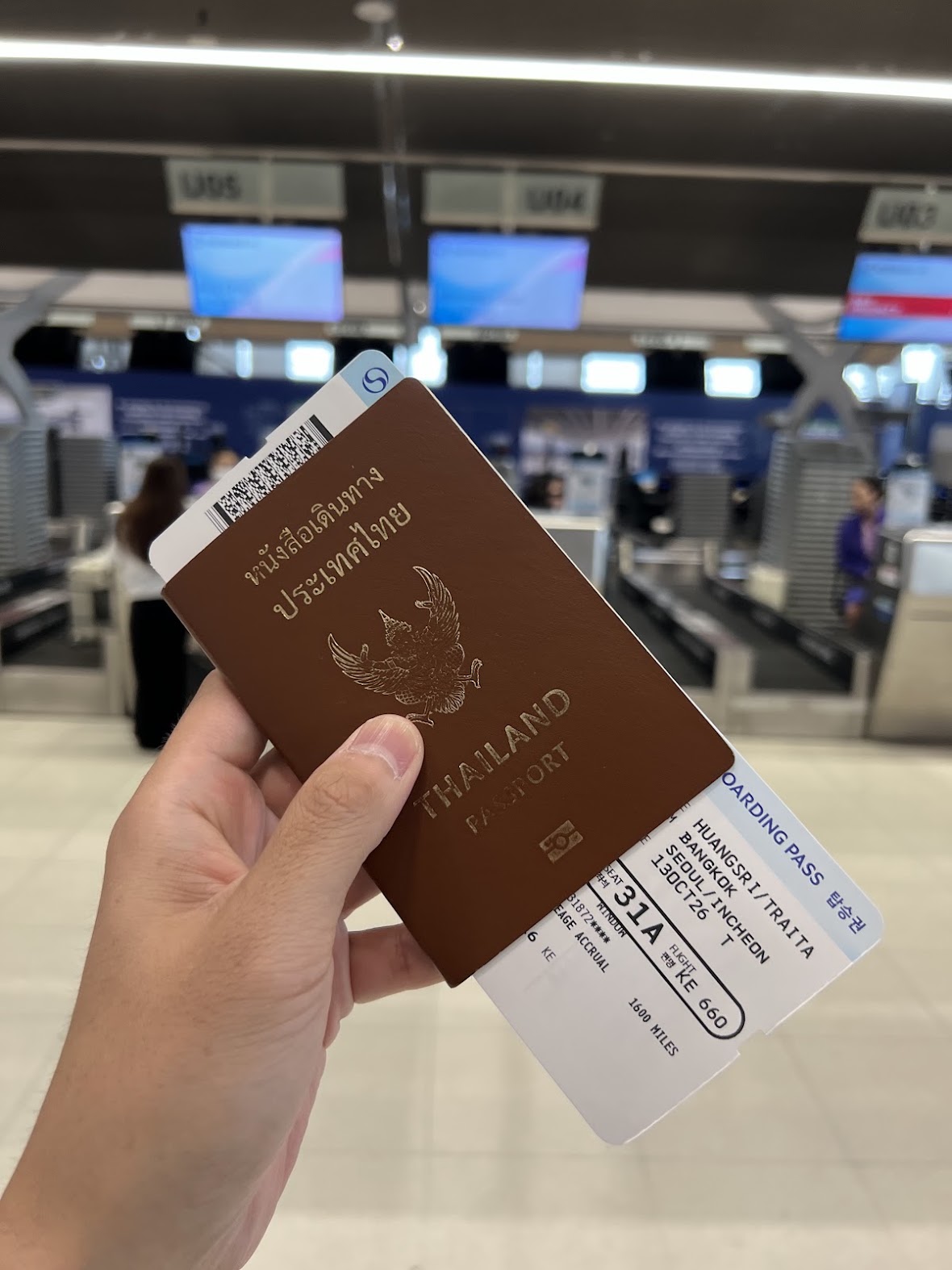
Korean Air’s check-in counters at Suvarnabhumi are in row U on level 4, in the departures area. They’re almost at the far end of the terminal, so it’s a bit of a walk from the Airport Rail Link station. You can check in through the Korean Air app up to 48 hours before departure. I quite like the app: it has plenty of useful trip information, including baggage tracking. I’d already checked in online, so all I had to do at the airport was drop off my bag. That took just 5–10 minutes. My economy ticket included one checked bag of up to 23 kg.
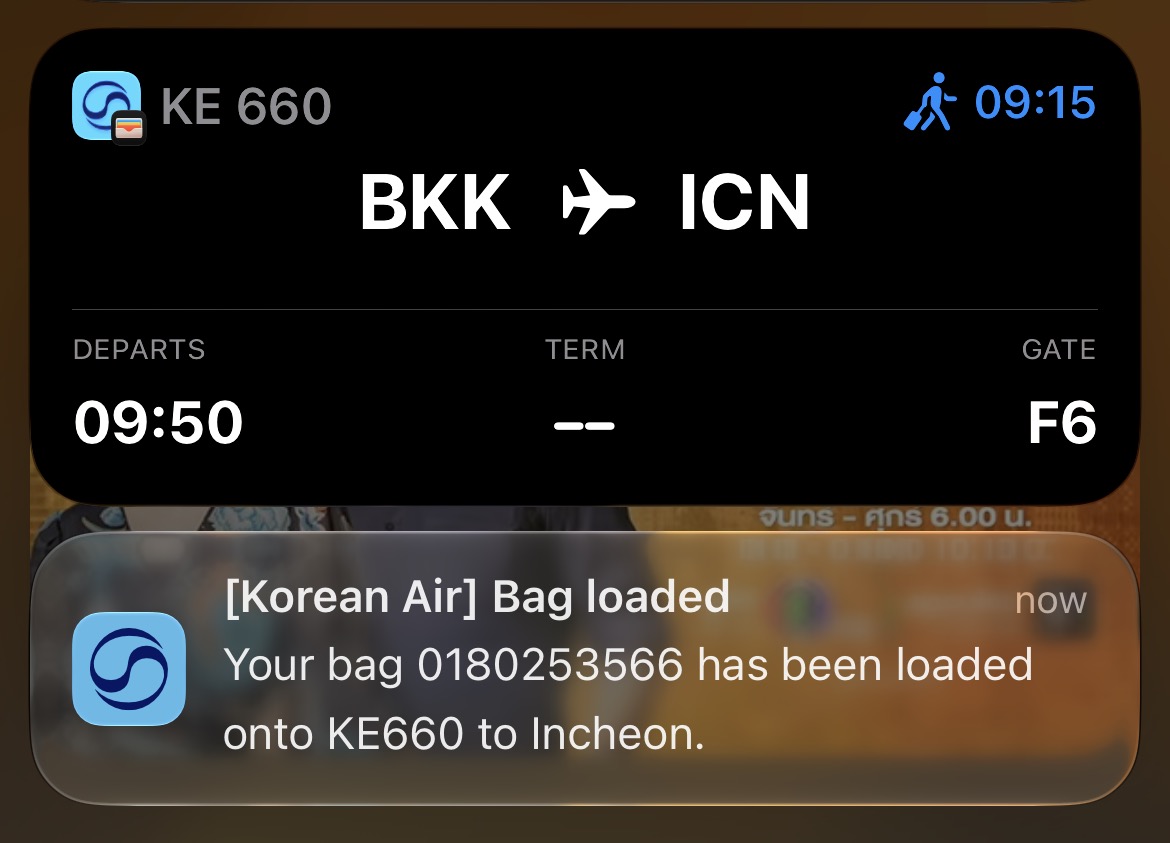
After I dropped off my bag, the app sent me a notification confirming it had been loaded onto the aircraft. When we arrived in Incheon, I got another notification as it was being unloaded and sent to the carousel. I loved that feature and wish airlines in Thailand offered it too.
Flight from BKK to ICN
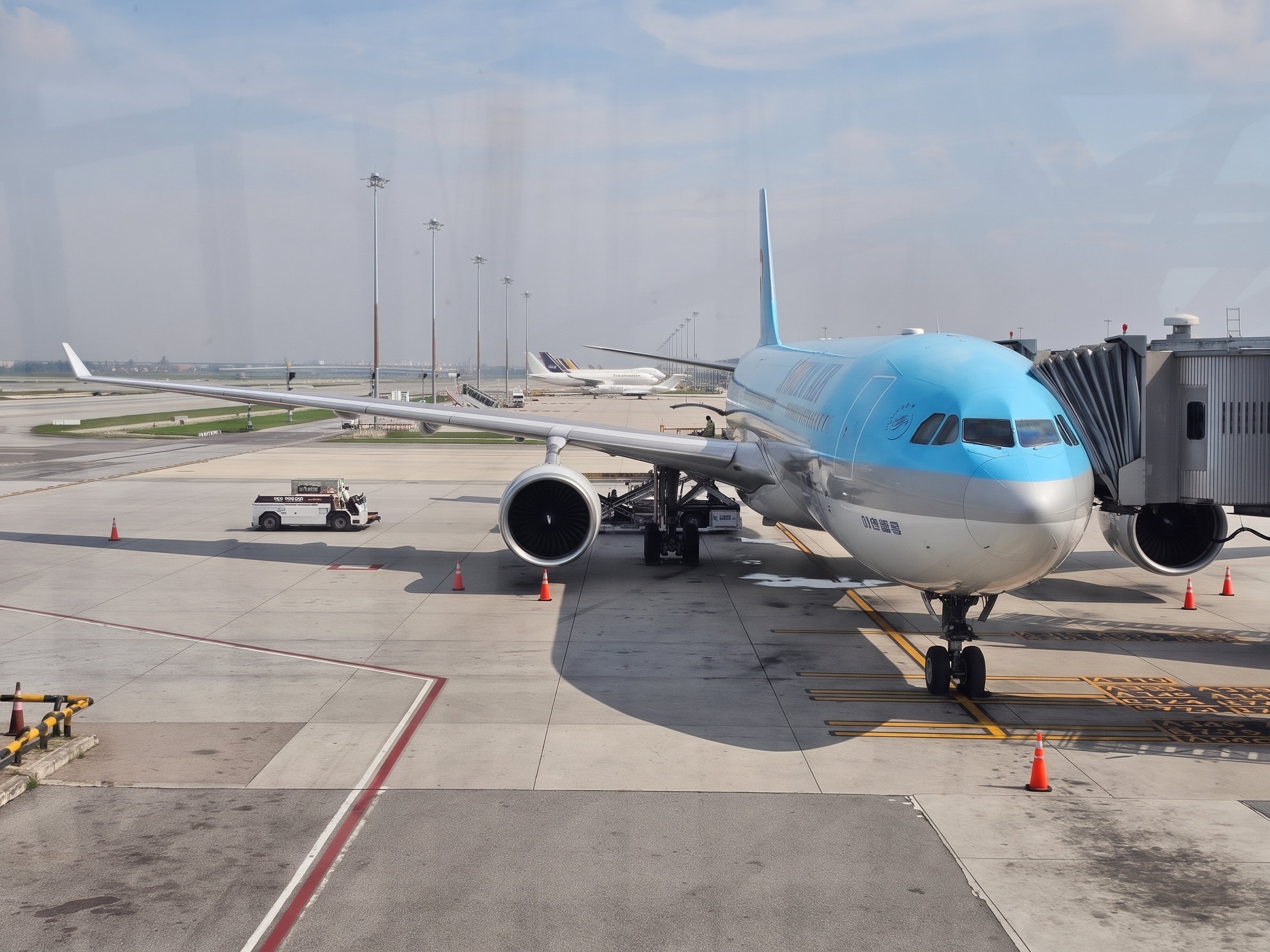
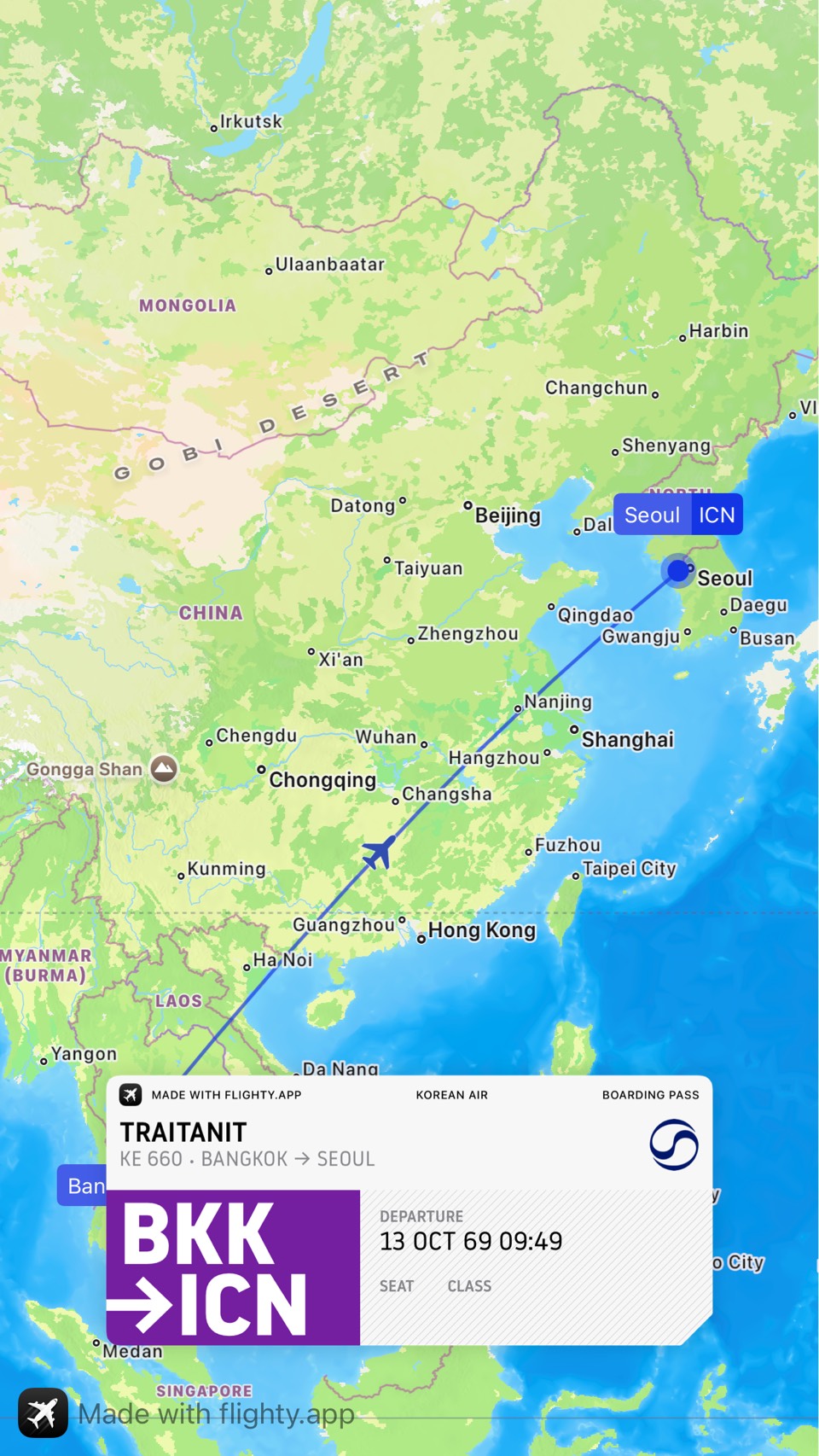
Flight: KE660
Route: Bangkok (BKK) – Seoul (ICN)
Departure: 9:50 a.m.
Arrival: 5:20 p.m.
Flight time: 5 hours 30 minutes
Fare: Economy Saver
Aircraft: Airbus A330-300
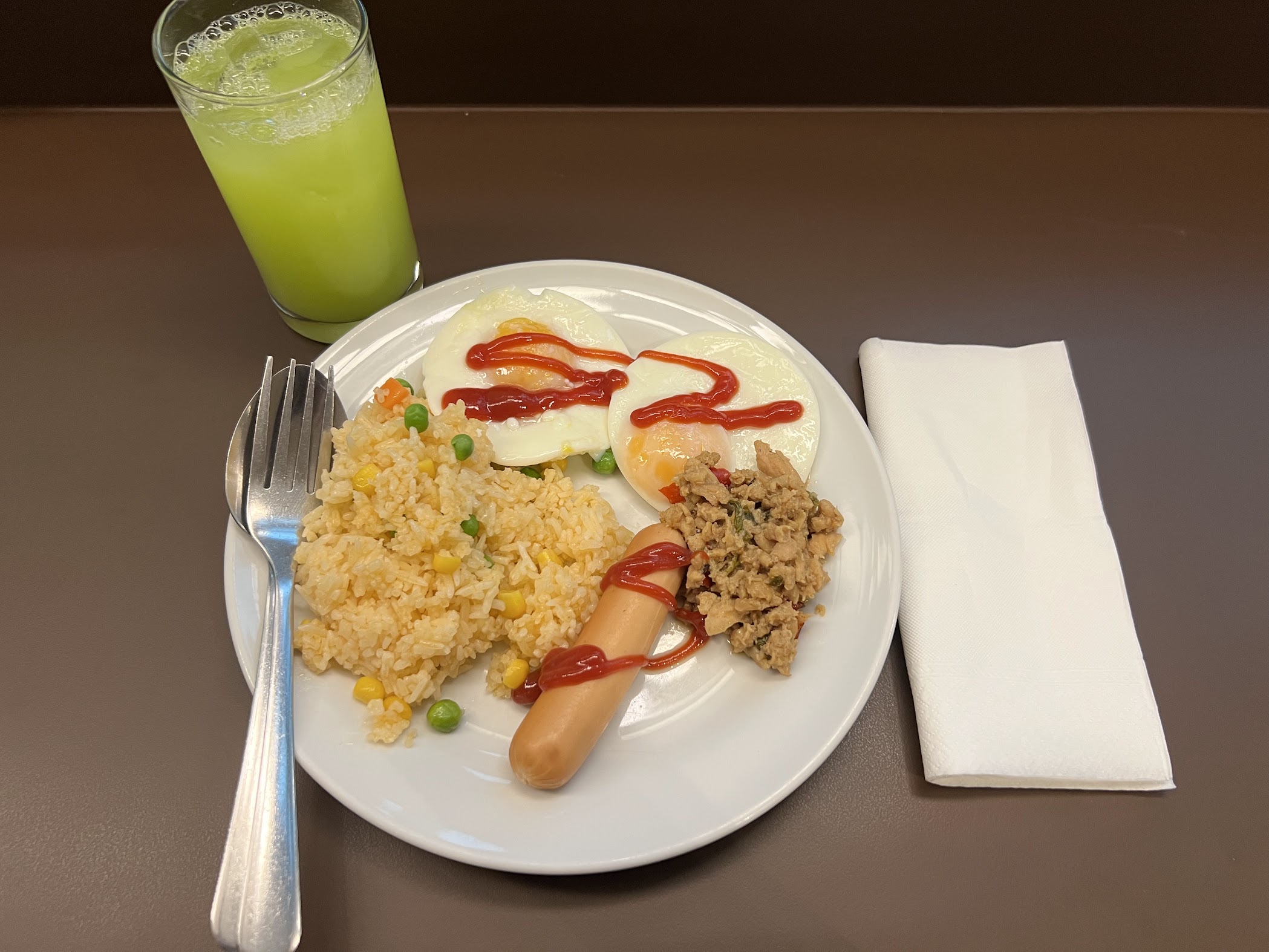
Before boarding, I stopped for a meal at the Miracle Lounge. My UOB Premier credit card gives me access up to twice a year. There was a good selection of savory dishes and desserts, so I ate well before settling in for the next five-plus hours on the plane.
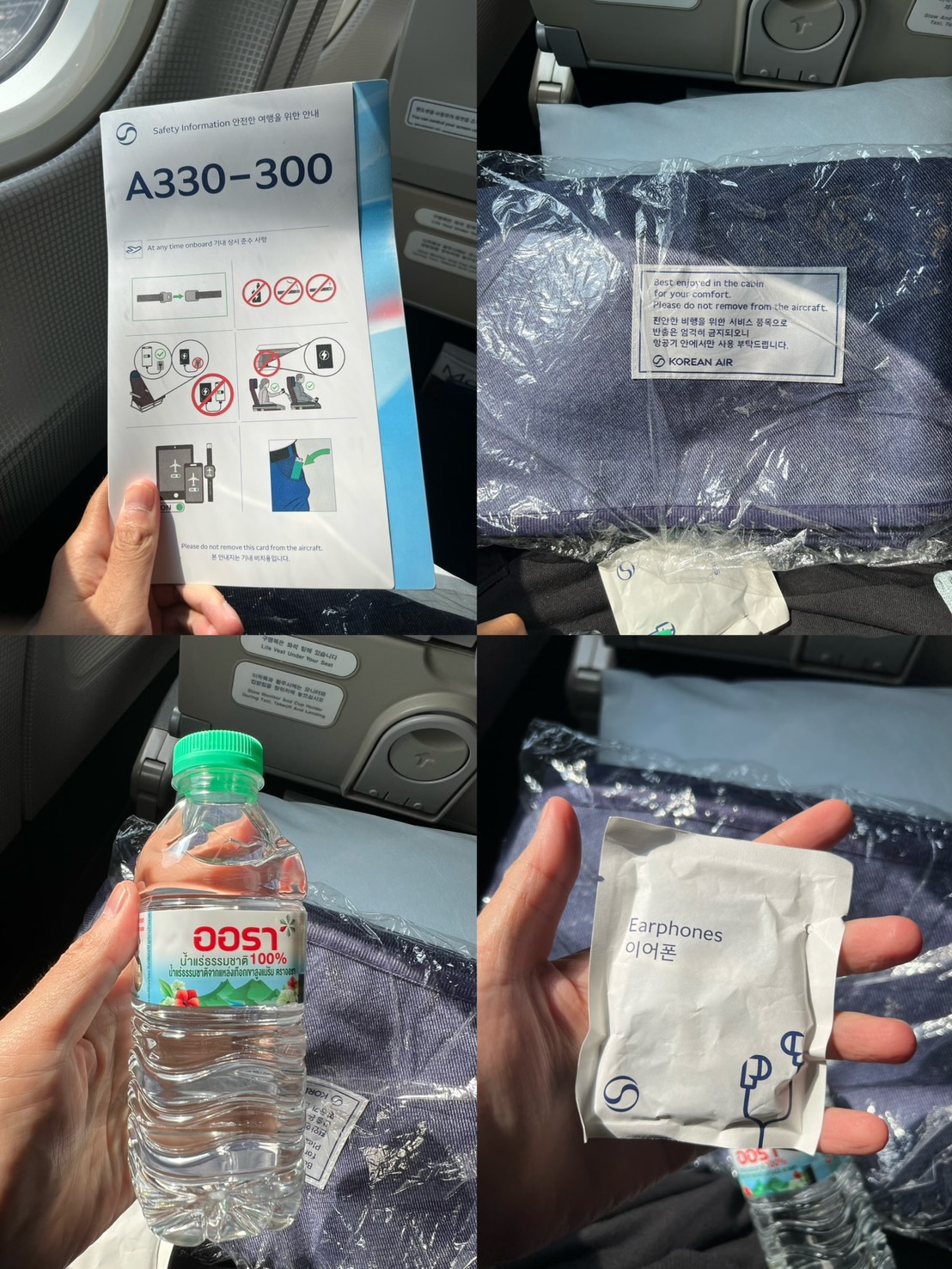
Boarding started on time, about 30 minutes before departure. Passengers could pick up headphones on the way onto the aircraft. In economy, a blanket, pillow, and bottle of water were waiting at the seat—all the basics you’d expect from a full-service airline.
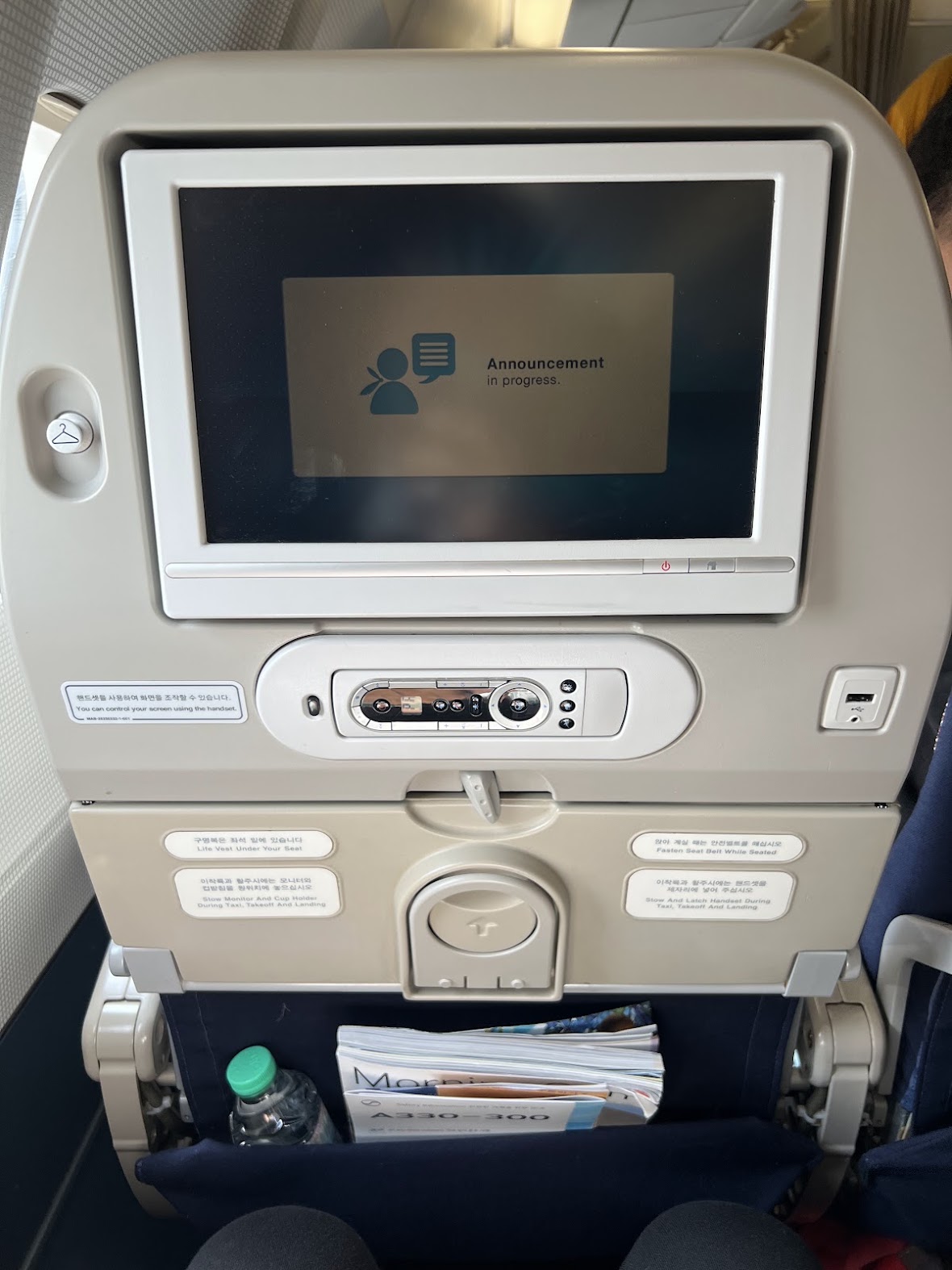
The economy seat was comfortable. I’m 177 cm tall and had enough legroom that my knees didn’t touch the seat in front. There was also a USB-A port for charging my phone. The crew announced that power banks couldn’t be stored in the overhead bins: passengers had to keep them with them and couldn’t use them to charge devices during the flight. It seems more airlines are introducing rules around power banks.
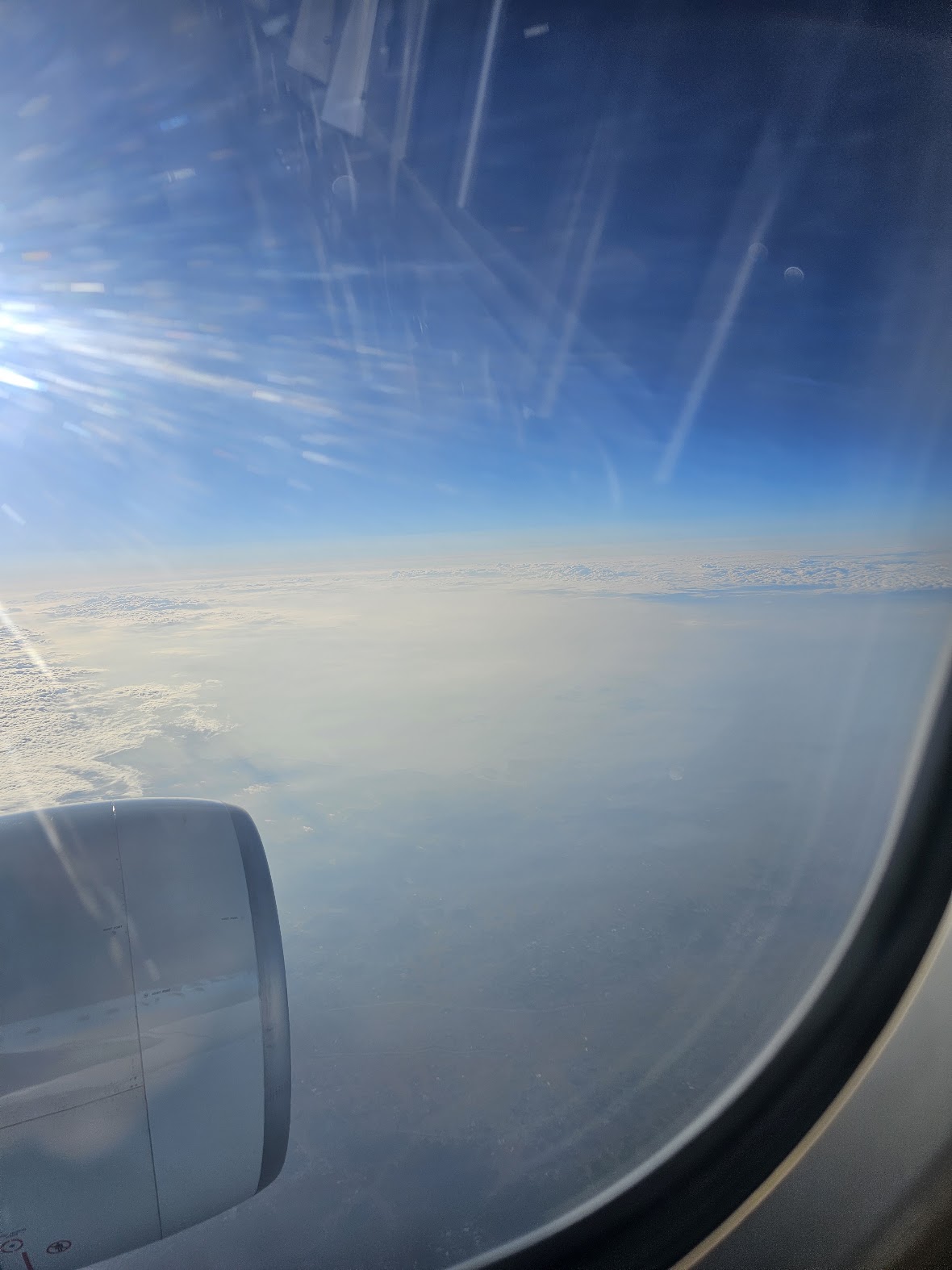
Once everyone was on board, we pushed back, taxied, and took off pretty much on time. The weather was beautifully clear. The seatback entertainment system had plenty to watch, particularly Korean films and series. I made my way through several episodes of Yumi’s Cells Season 3 and really enjoyed it. Give it a try if you haven’t seen it.
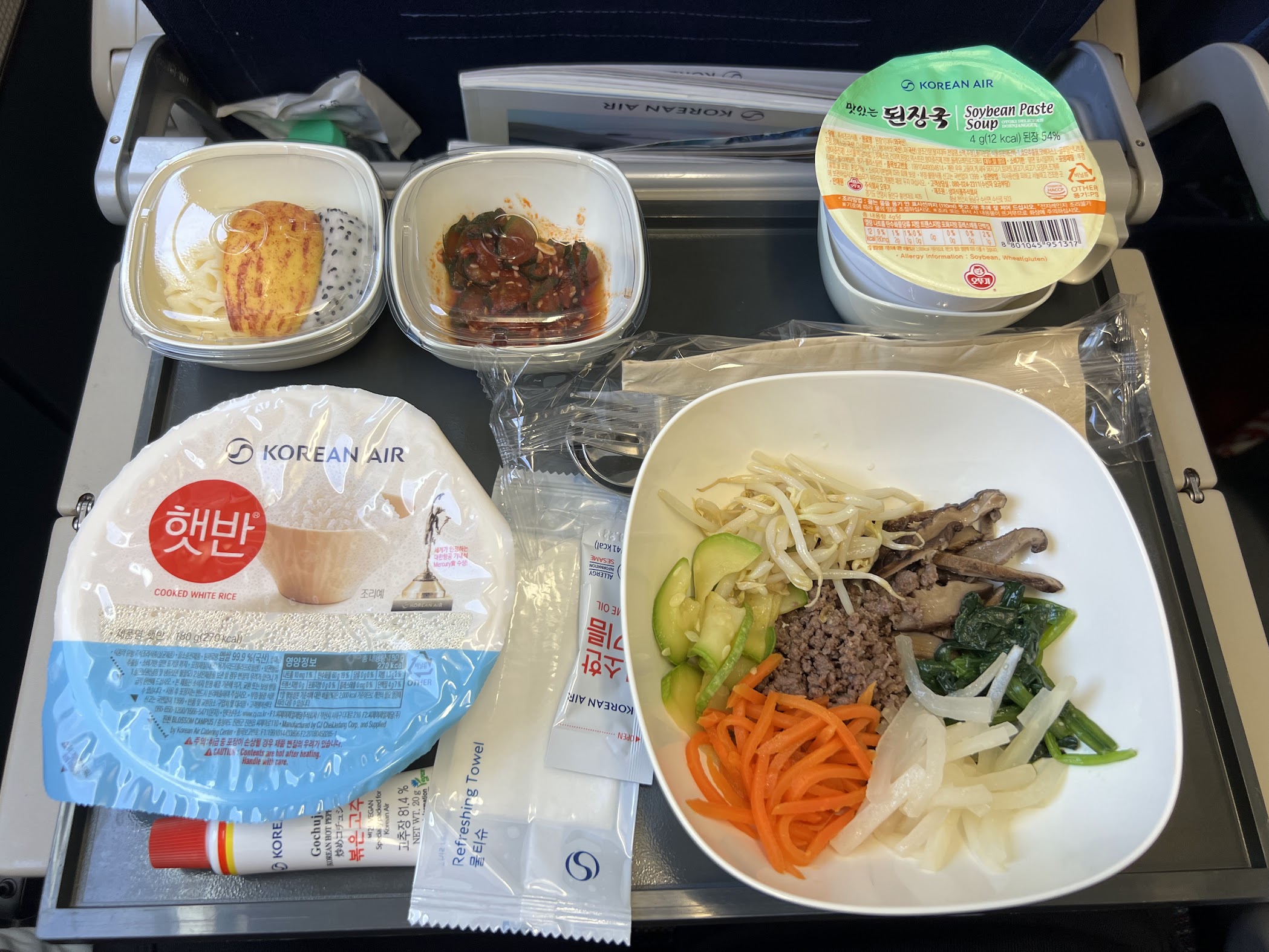
A little over an hour after takeoff, the crew started lunch service. I chose bibimbap, Korean Air’s signature dish. It came with gochujang and sesame oil to mix into the rice yourself, along with side dishes, hot soup, and fruit. As someone who loves Korean food, I thought it was delicious.
After the meal, the cabin lights were dimmed so everyone could rest. I noticed quite a few Western passengers on this flight and wondered whether many were connecting through Incheon to North America. As far as I know, there are plenty of onward flights to North America in the late afternoon and evening. Incheon is a major airport for those routes.
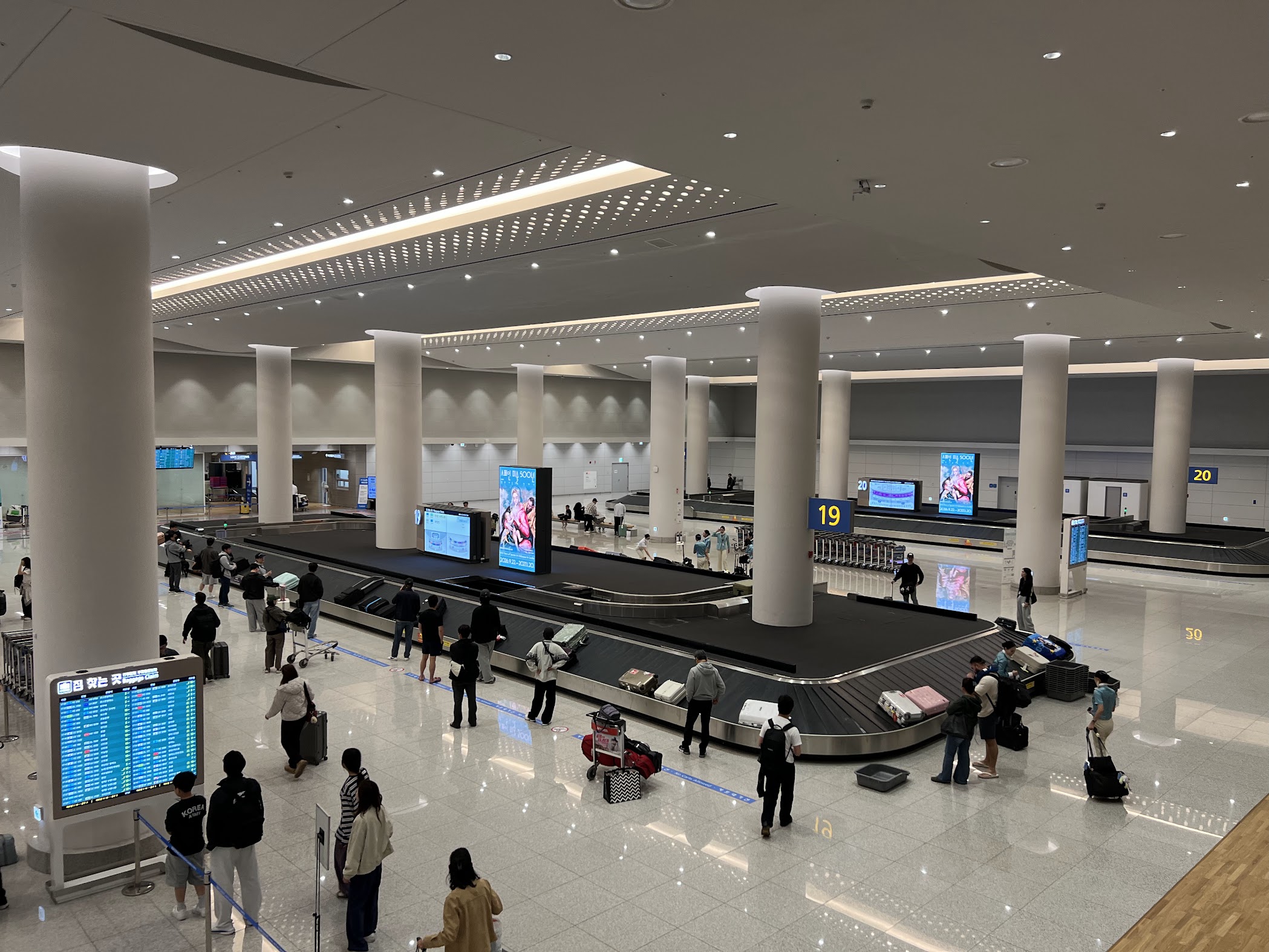
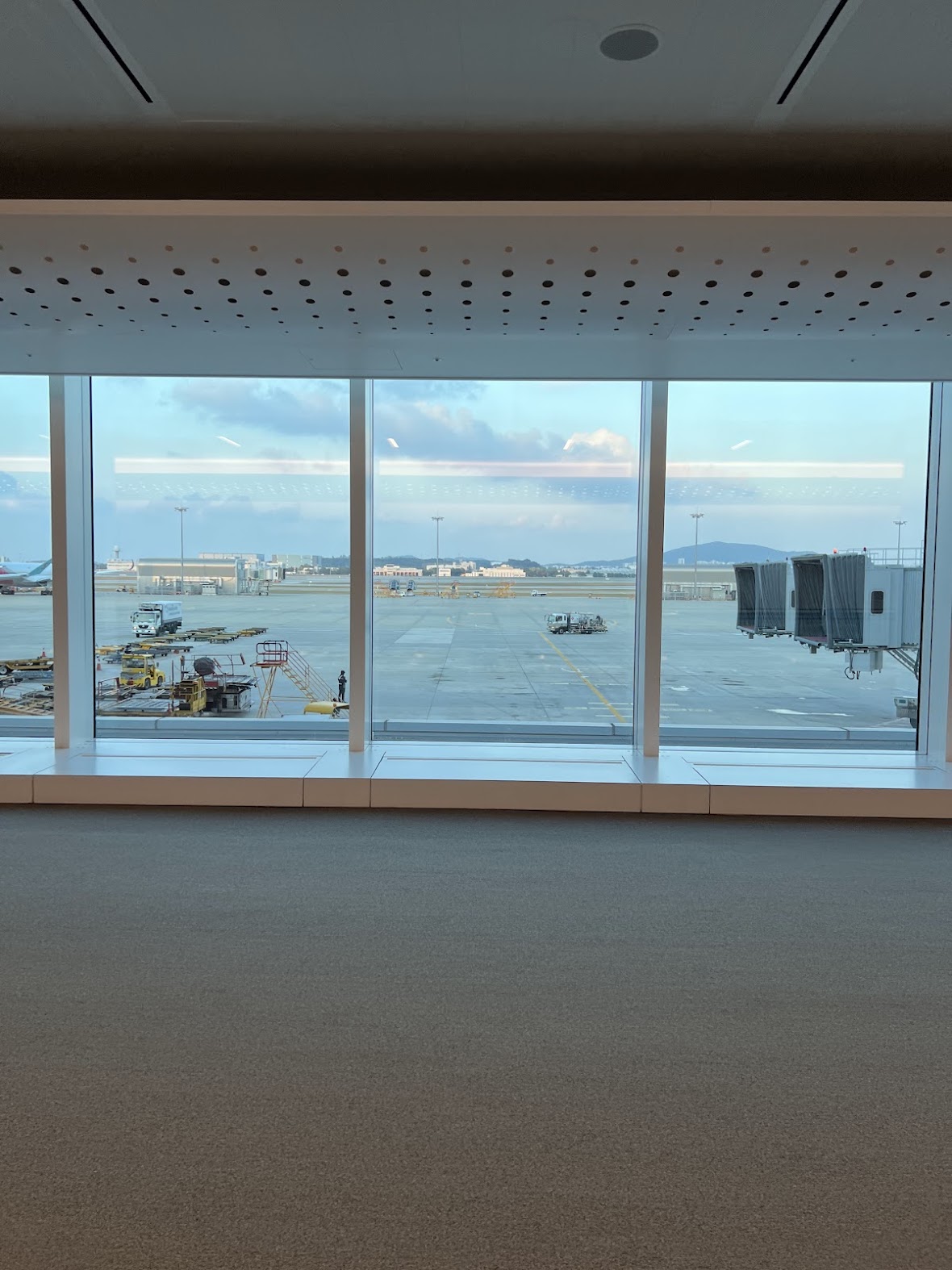
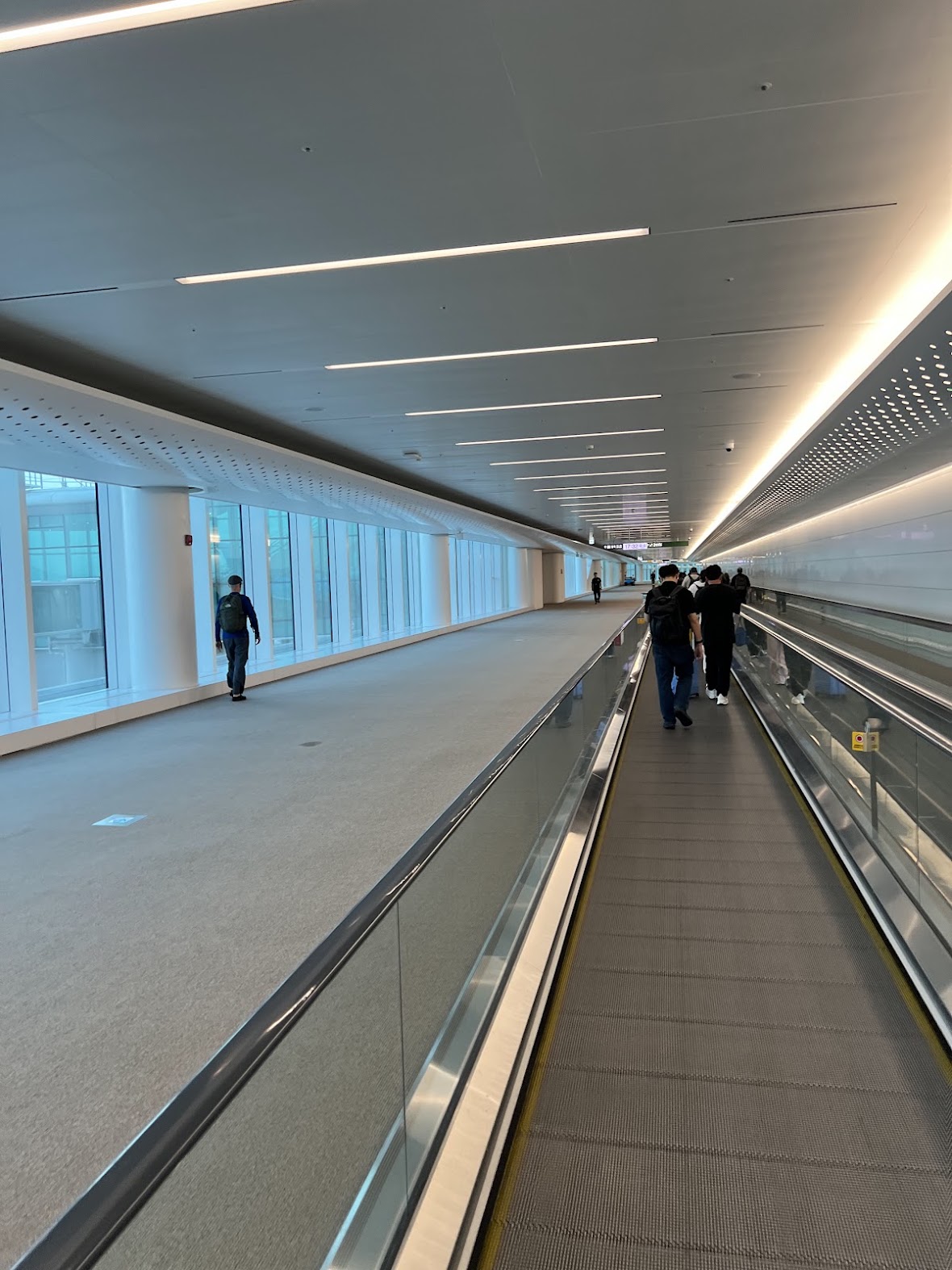
After about five and a half hours in the air, we descended and landed safely at Incheon Airport’s Terminal 2. This was my second time through the terminal; I’d connected here on a previous trip to Los Angeles and San Francisco with Korean Air. It was pleasantly quiet. I cleared immigration in under 20 minutes, then waited less than 10 minutes for my bag at the carousel. The Korean Air app sent me another baggage notification, too—a nice touch.
Final thoughts
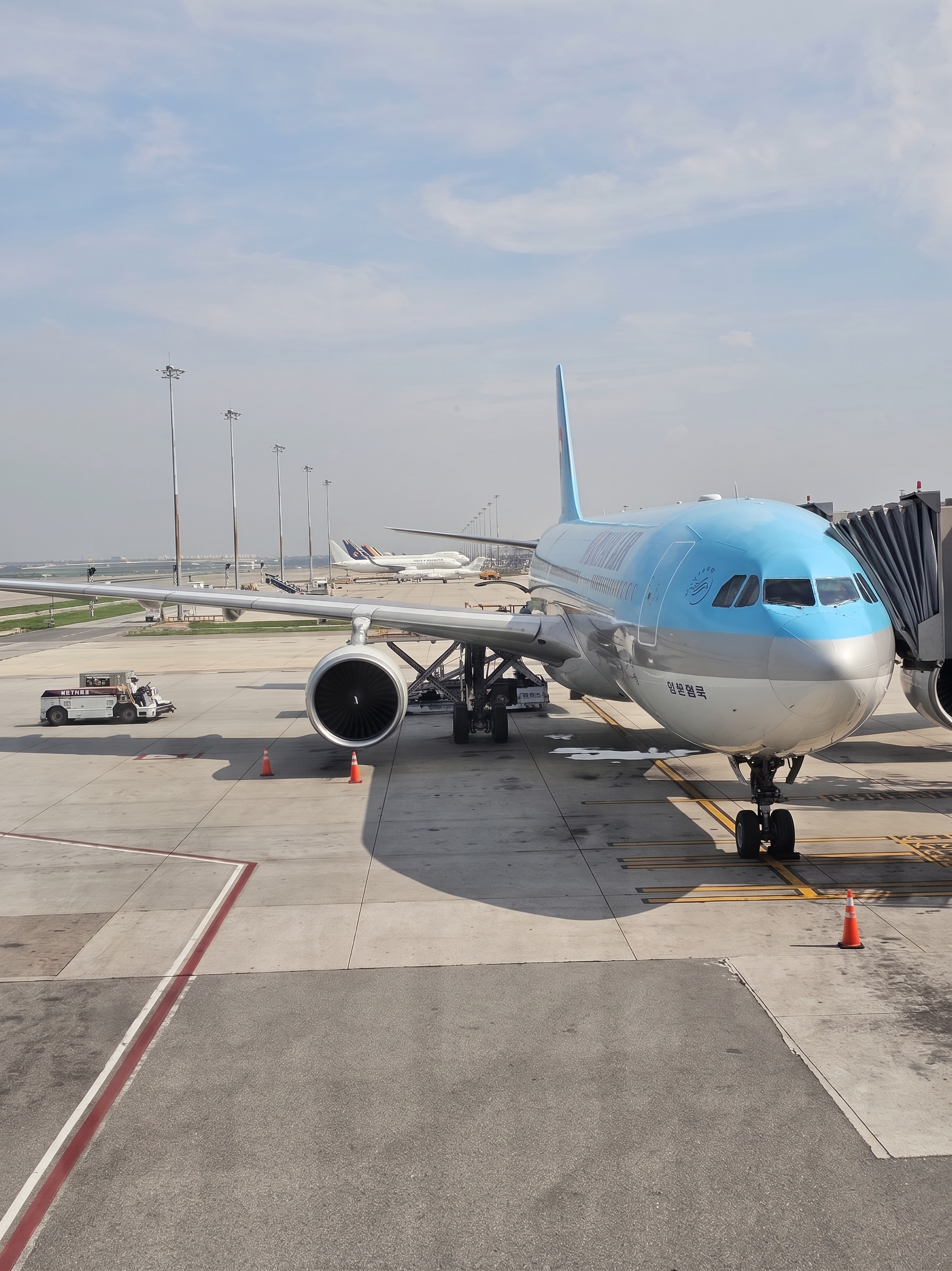
Korean Air remains one of my favorite choices for flying to South Korea. Both the ground and onboard service met the high standard I expect, and I had no complaints. The airline is expected to complete its merger with Asiana Airlines after December 2026, making Korean Air South Korea’s main carrier with routes across more than five continents. Skytrax has also rated it a five-star airline. If I find a good promotional fare, I’d happily fly with Korean Air again. Happy travels!